




Related work
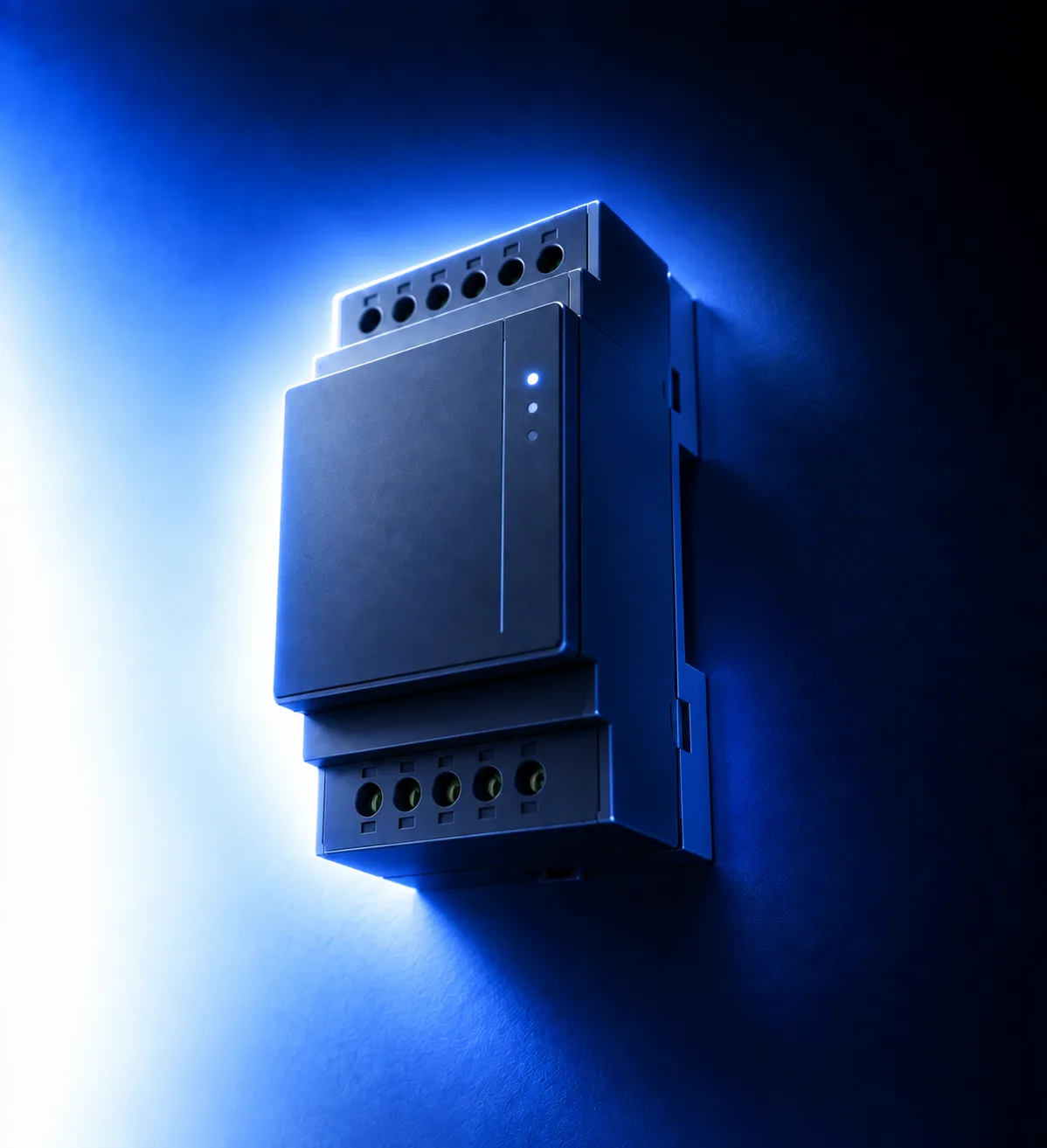
Smart KNX Lighting Controller
Two building-control interfaces and local automation on one controller.
- KNX TP + DALI-2 on one board
- KNX
- DALI-2
- STM32
- Ethernet
From system definition to custom electronics, firmware and prototype validation, HTS helps you develop the embedded core of your product and connect it to the software around it.
An early concept needs decisions about processing, power, sensing, communications and physical constraints. We turn those questions into an architecture and a development scope that the engineering team can work against.
For an existing product, we can review the design, investigate technical limitations and plan a redesign around the changes you need.
Work can include
Typical outputs
Requirements document, architecture and interface diagrams, component shortlist, engineering scope and validation priorities.
Related work
Two building-control interfaces and local automation on one controller.

Related work
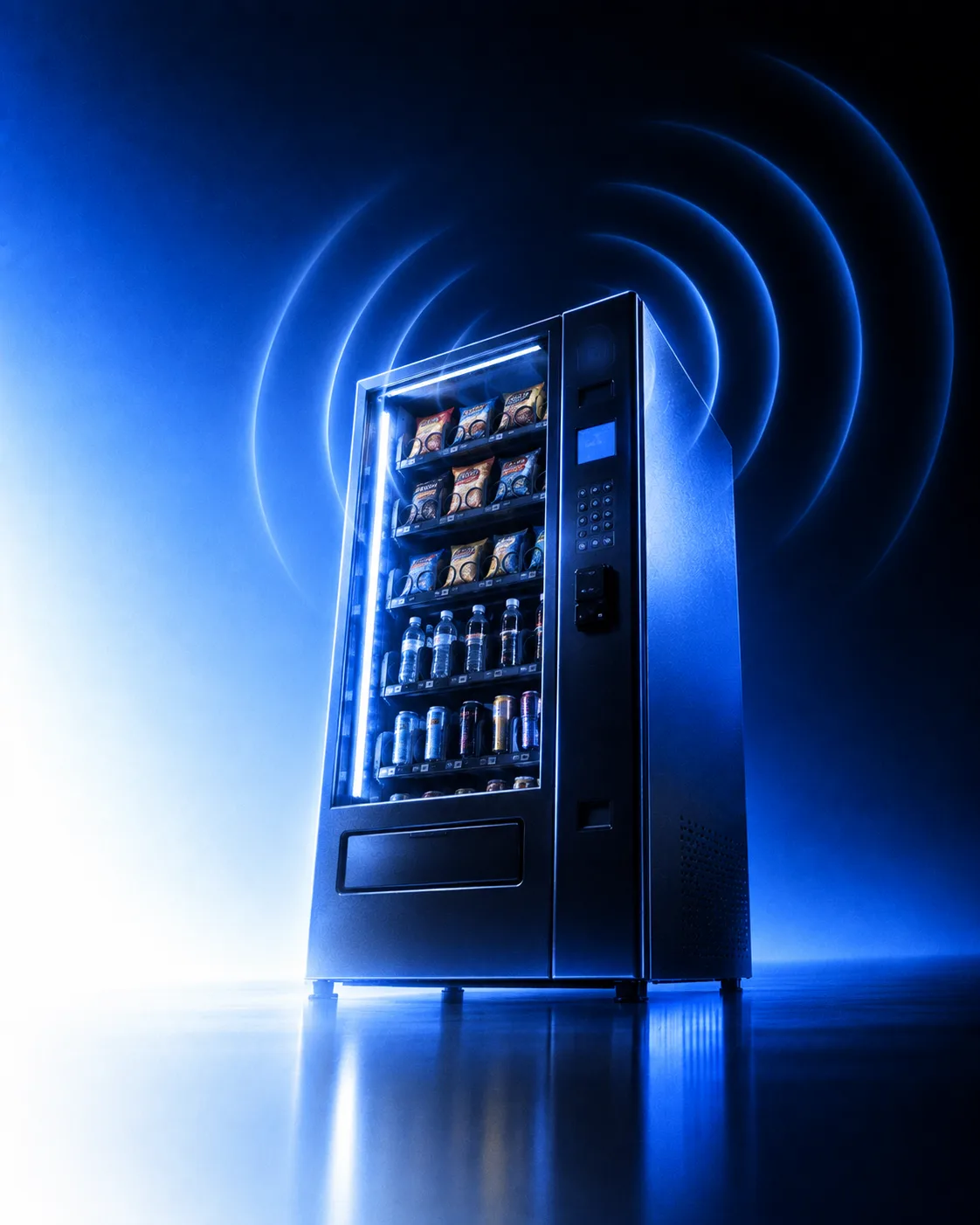
Wireless sensing, local alarms and cellular connectivity in one system.
We develop the electronics and embedded software around the same operating requirements. That includes the interfaces to sensors and actuators, communications, power management and the device’s control logic.
Hardware and firmware are integrated during bring-up so issues can be traced across the complete signal and software path.
Work can include
Typical outputs
Schematics, PCB source files, Gerbers, bill of materials, firmware source, build instructions and agreed test documentation.
Related work
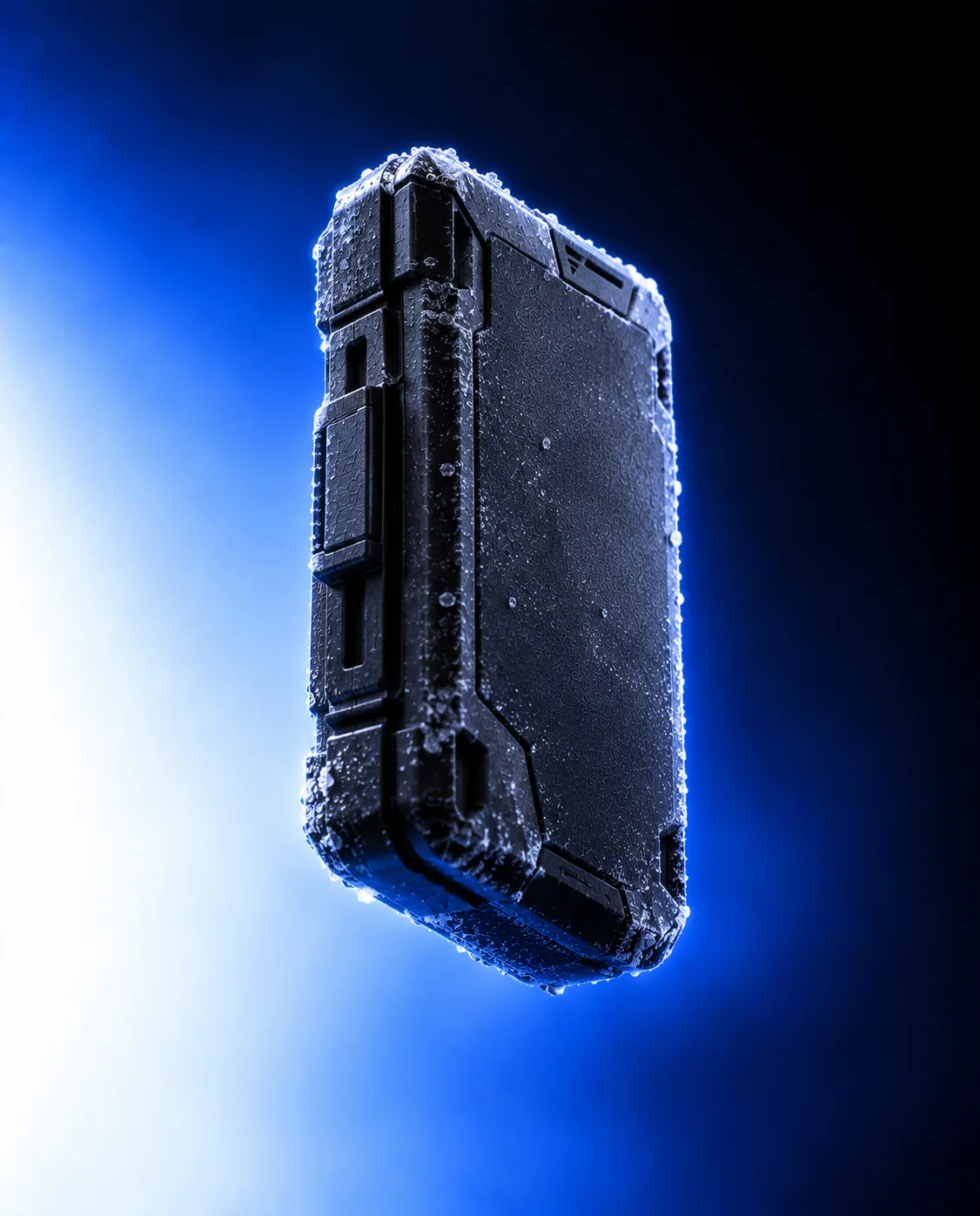
Multi-parameter sensing, automatic control and MQTT communication.
Related work
PT1000 measurement, flash storage, LoRaWAN and RS485.
Technology examples
We develop communication between embedded devices, hubs, mobile applications and servers. The architecture follows the operating environment, range, power budget and data requirements of the product.
Where embedded AI is part of the brief, we assess the processing, memory, data and power requirements, then define how inference should integrate with the device firmware and wider system.
Work can include
Typical outputs
Communication architecture, device firmware, interface or API definitions and the agreed application or server components.

Related work
BLE, LTE, GNSS, voice calls and mobile/cloud integration.
Related work
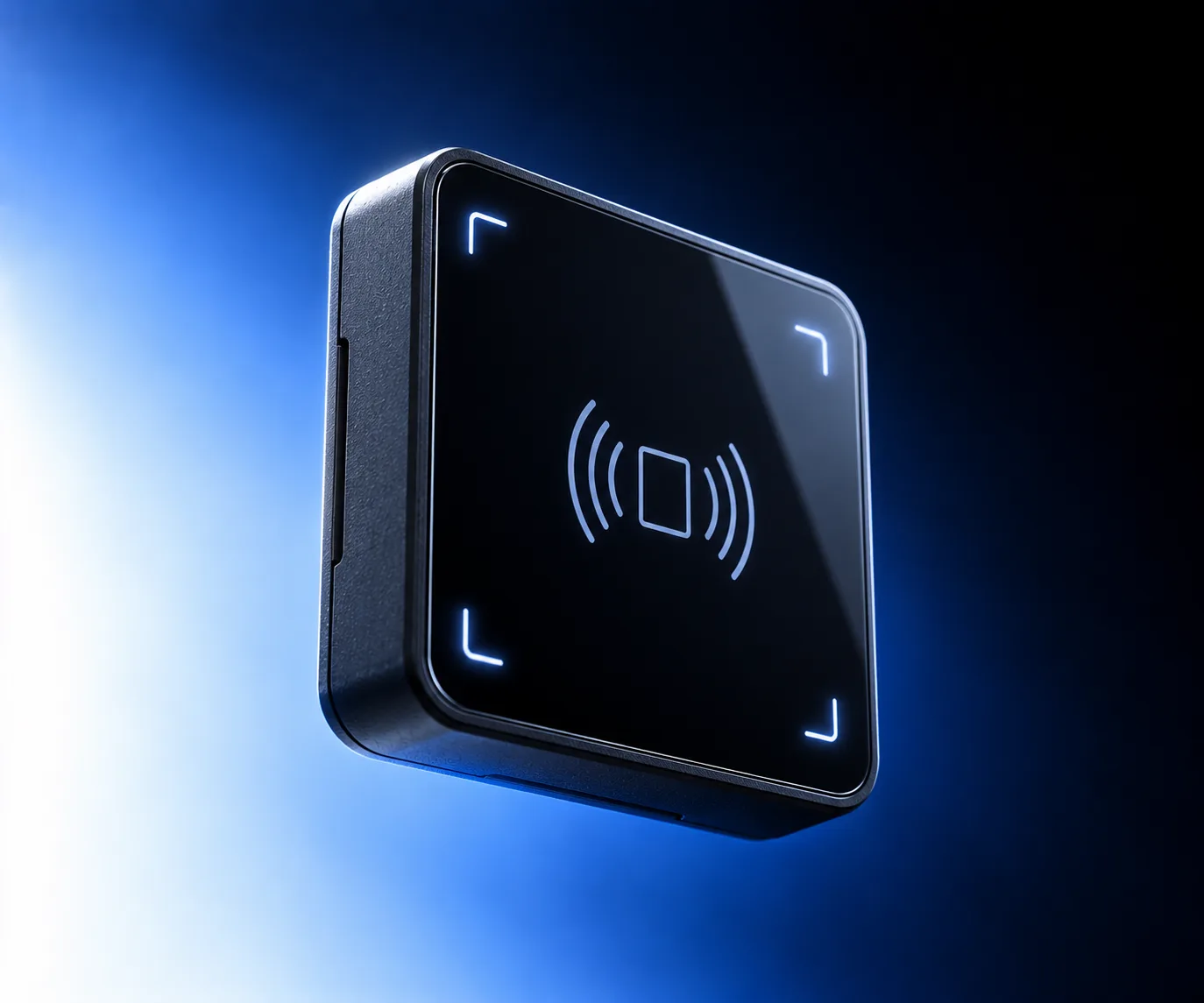
Tag identification and Wi-Fi data transfer.
Our laboratory supports prototype assembly, board bring-up and hardware/firmware integration. Measurements and functional tests help identify what needs to change before the design moves to its next stage.
Manufacturing preparation is scoped around the product and the intended production process. It can include component review, design-for-manufacture changes, production files and test preparation.
Mechanical and enclosure design can also be included where the product scope requires it, coordinating the electronics with its physical housing and interfaces.

Project electronics: the KNX controller board.
Handover or outcome
Assembled boards and bring-up findings
Measurements, test results and issue list
Updated firmware and resolved integration issues
Revised electronics and supporting documentation
Production files, BOM and agreed test documentation
Your starting point
How HTS can help
We agree on deliverables at the start of the engagement. Your product IP stays with you, and we can sign an NDA before reviewing confidential material.
Tell us about your project
Send us your concept, requirements or existing design. We’ll discuss the engineering scope and where our team can contribute.